


Ensure a tranquil aquatic environment. Learn how to select and maintain an Aquarium Filter leise for a peaceful fish tank. Expert tips included.
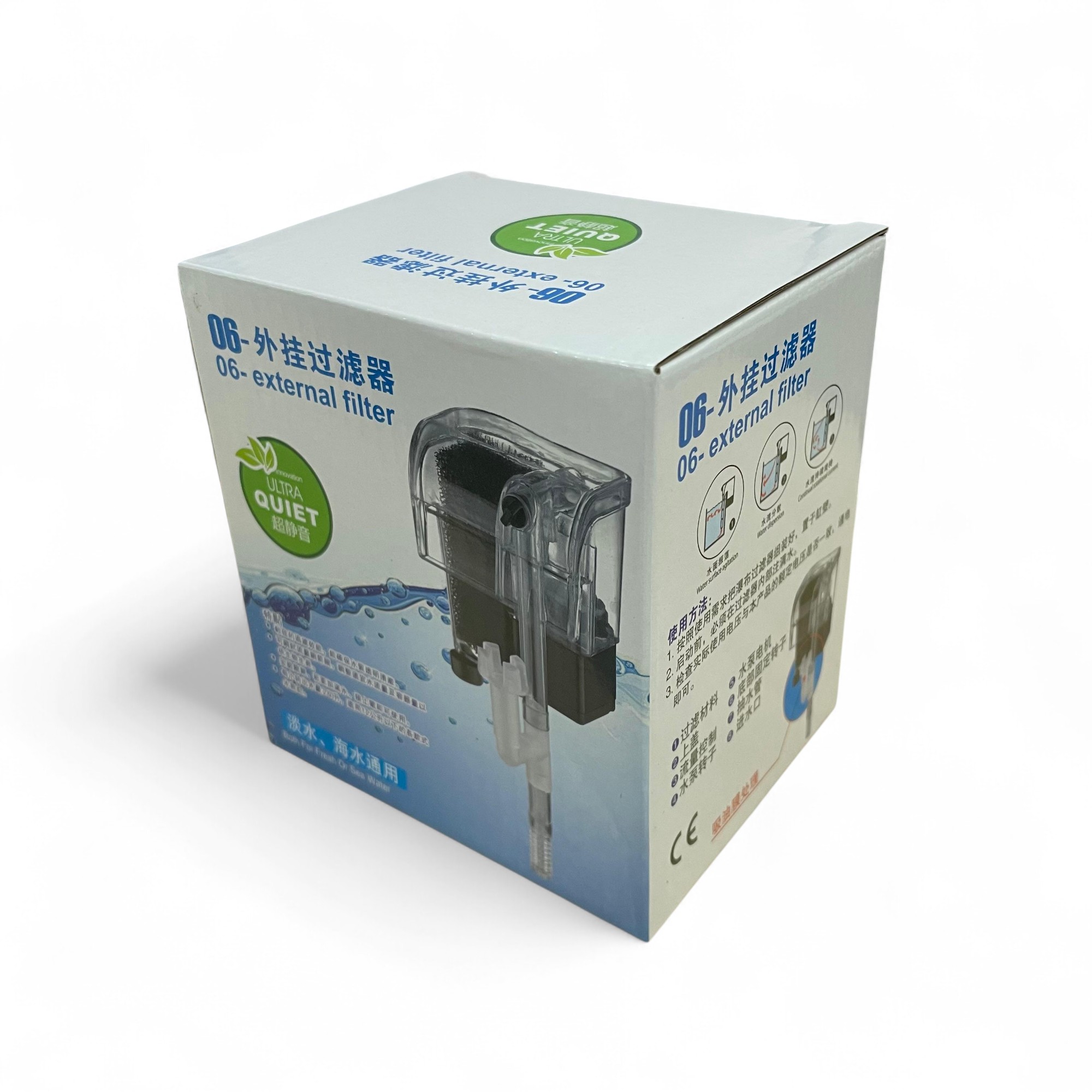
Maintaining a thriving aquarium means more than just feeding your fish. The hum, buzz, or gurgle from filtration equipment can quickly detract from the calming presence a tank offers. From years of setting up and tending to various aquatic habitats, I’ve learned that a truly peaceful tank hinges significantly on its quiet operation. Choosing an Aquarium Filter leise isn’t just a luxury; it’s fundamental for both your enjoyment and your aquatic inhabitants’ well-being. Excessive noise can stress fish and annoy residents, turning a serene hobby into a source of irritation.
Key Takeaways
- A quiet aquarium filter is essential for a peaceful home environment and unstressed fish.
- Selecting the right filter type, such as canister or internal power filters, often leads to quieter operation.
- Proper installation, including avoiding air pockets and ensuring secure placement, prevents many noise issues.
- Regular maintenance, like cleaning impellers and media, is crucial for long-term silent performance.
- Vibration dampening materials and strategic filter placement can further reduce audible noise.
- Choosing reputable brands known for quiet operation, especially in the US market, is a good starting point.
- Troubleshooting common noises often involves checking for blockages, wear, or improper assembly.
Understanding the Need for an Aquarium Filter leise
The sound of flowing water can be pleasant. However, the mechanical noises of an inefficient or poorly chosen aquarium filter are usually not. My personal experience shows that a noisy filter can quickly make a beautiful tank feel like a chore. Fish, particularly shy species, also benefit from a quiet environment. Constant vibrations or humming can cause them undue stress, impacting their appetite and overall health. For hobbyists, a quiet tank allows for better enjoyment of the aquatic life within. It blends seamlessly into a living space, rather than competing with quiet conversation or relaxation.
Before even looking at specific models, it’s important to understand why filters make noise. Most common causes include impeller vibration, air trapped within the system, loose components, or simply the design inherent in certain filter types. Over-the-back (HOB) filters, for instance, often create splashing sounds as water returns to the tank. Canister filters, enclosed and typically placed below the tank, inherently offer a quieter solution. Internal power filters can also be very quiet if fully submerged and properly installed.
Types of Aquarium Filter leise and Their Operation
When seeking an Aquarium Filter leise, the type of filter chosen makes a huge difference. Canister filters are often considered the quietest option available. Their sealed design and placement outside and below the tank naturally dampen mechanical sounds. Water is drawn out, passed through media inside the sealed unit, and then pumped back in. The main noise comes from the impeller, which can be minimized with quality manufacturing and proper seating. Many reputable brands offer excellent, nearly silent canister filters ideal for peaceful tanks.
Internal power filters are another viable option for quiet operation, especially in smaller to medium tanks. Because they are fully submerged, the water itself acts as a sound dampener. These units typically combine mechanical and biological filtration. Keeping the impeller clean and free of debris is key to maintaining their silent performance. Sponge filters, driven by an air pump, can be very quiet if you choose a low-noise air pump and place it strategically to minimize vibration. Hang-on-back (HOB) filters can sometimes be quieted by ensuring the water level is high enough to reduce splashing, but their external motor and internal pump housing often generate more ambient hum.
Installation and Maintenance Tips for a Quiet Setup
Achieving a quiet aquarium filter setup starts with careful installation. For canister filters, ensure all hoses are securely connected and free of kinks. Air trapped inside the filter body or tubing is a common cause of gurgling and rattling. Priming the filter thoroughly, often by tilting it gently to release air bubbles, is a critical step. Placing the filter on a vibration-dampening mat, like a piece of foam or rubber, can further reduce transmitted noise from the motor to the cabinet or floor.
Regular maintenance is crucial for keeping any filter quiet over time. A common culprit for increased noise is a dirty impeller. Algae, debris, or mineral buildup can cause the impeller to spin unevenly, leading to humming or rattling sounds. Periodically removing and cleaning the impeller and its shaft, usually with a small brush, will resolve this. Similarly, keeping filter media clean prevents blockages that can strain the pump and create noise. For HOB filters, ensure the intake tube is fully submerged and the water level in the tank is consistently high to minimize splashing noise from the outflow.
Troubleshooting Common Noises in Your Aquarium Filter leise
Even the most carefully chosen Aquarium Filter leise can develop noise issues over time. When your once-silent filter starts humming or rattling, a systematic approach to troubleshooting is best. First, check for air. Air bubbles trapped in the filter or tubing will cause gurgling. Tipping the filter slightly or gently shaking the hoses can often dislodge them. Next, inspect the impeller. Turn off the filter, remove the impeller cover, and examine the impeller itself. Look for any damage, wear, or foreign objects like plant matter or snail shells stuck in the well. A worn impeller shaft or ceramic rod might need replacement.
Vibrations are another common problem. Ensure the filter is sitting on a stable, level surface. As mentioned, a foam pad can absorb vibrations. Check all connections, hoses, and clamps; loose parts can rattle. If you use an air pump for a sponge filter, place it on a dampening pad and away from surfaces that might amplify its hum. In some cases, a filter simply wears out. After years of continuous operation, components may degrade, and replacing the filter or specific parts might be the most effective long-term solution. Many filter manufacturers in the US offer replacement parts, making repairs feasible.


