


Optimize factory energy usage with proven strategies. Learn about energy audits, smart tech, and efficient operations for industries.
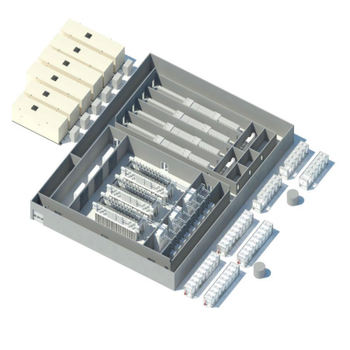
Effective factory energy management is not just about cutting costs; it’s about operational resilience, environmental stewardship, and staying competitive. From my practical experience in industrial settings, I’ve seen firsthand how a structured approach can yield significant returns. It’s a journey that requires commitment, data, and the right tools. We aim to minimize waste, maximize output, and ensure our energy use is as smart as possible. This involves everything from initial assessments to continuous improvement cycles. The goal is a leaner, greener, and more profitable operation.
Key Takeaways
- Start with a Detailed Audit: Understand current energy consumption patterns and identify major waste areas.
- Implement a Measurement System: “You can’t manage what you don’t measure” holds true for energy use.
- Leverage Smart Technologies: Adopt IoT sensors, smart meters, and automation for real-time data and control.
- Focus on Behavioral Changes: Educate staff on energy-saving practices; human action impacts energy use significantly.
- Prioritize Maintenance: Well-maintained equipment operates more efficiently and consumes less energy.
- Explore Renewable Integration: Assess feasibility for solar, wind, or other renewable sources to reduce grid dependency.
- Establish Clear Goals: Set specific, measurable, achievable, relevant, and time-bound targets for energy reduction.
- Continuously Monitor and Adjust: Energy management is an ongoing process, not a one-time project.
- Invest in Energy-Efficient Upgrades: Replace outdated machinery with newer, more efficient models when feasible.
Initial Assessment and Planning for Energiemanagement Fabrik
The foundation of effective energy management begins with a thorough understanding of current consumption. Many factories, particularly older ones, simply pay their utility bill without truly knowing where energy goes. Our first step is always an energy audit. This detailed examination identifies every energy-consuming device and process. We look for hidden inefficiencies, such as compressed air leaks, inefficient lighting, or poorly insulated systems. A good audit quantifies the energy used by each major system: HVAC, lighting, motors, process heating, and cooling. This data forms our baseline. Without it, measuring progress is impossible.
Next, we establish clear objectives. Are we aiming for a 10% reduction in electricity consumption, or a 15% cut in natural gas use? These targets need to be realistic and measurable. In many industrial sites across the US, we often find low-hanging fruit. Simple fixes like LED lighting upgrades or power factor correction can offer quick wins. These initial successes build momentum for more complex projects. We also form an internal energy management team. This team includes representatives from production, maintenance, and finance. Their combined input ensures a holistic approach to Energiemanagement Fabrik. This collaborative effort is crucial for long-term success.
Leveraging Technology in Modern Energiemanagement Fabrik
Technology plays a pivotal role in optimizing factory energy use today. Modern industrial facilities rely on data to make informed decisions. Installing smart meters and sub-meters allows for real-time monitoring of energy consumption at the machine, line, or departmental level. This granularity helps pinpoint exactly when and where energy spikes occur. It can reveal operational inefficiencies or equipment malfunctions quickly. For instance, a sudden rise in a motor’s power draw might indicate a bearing issue or an overloaded system. These insights were often unavailable just a few years ago.
Beyond metering, Industrial Internet of Things (IIoT) sensors provide data on critical parameters like temperature, pressure, and vibration. Integrating this data with an Energy Management Information System (EMIS) creates a powerful platform. An EMIS centralizes energy data, performs analytics, and generates reports. It can automatically flag anomalies or predict potential issues. Automation systems, like Building Management Systems (BMS), also contribute significantly. They control lighting, HVAC, and other building services based on occupancy, time of day, or production schedules. These tools ensure that energy is used precisely when and where it’s needed, minimizing waste and supporting effective Energiemanagement Fabrik.
Operational Efficiency and Behavioral Shifts in Factories
While technology offers powerful solutions, human behavior and operational practices are equally critical. Even the most advanced systems can be undermined by poor habits. Training staff on energy-saving practices is therefore essential. Simple actions, like turning off lights in unoccupied areas or shutting down machinery during non-production hours, can accumulate into substantial savings. We often implement programs that encourage employees to identify and report energy waste. This fosters a culture of energy awareness throughout the factory floor. It makes everyone a stakeholder in the energy management effort.
Furthermore, optimizing production schedules can significantly reduce energy demand. Shifting energy-intensive processes to off-peak hours, when electricity rates are lower, offers direct cost benefits. Regular maintenance also plays a huge role. A well-maintained motor runs more efficiently than one with worn bearings or poor lubrication. Calibrating sensors and controls ensures equipment operates at its optimal performance point. Preventative maintenance programs address potential issues before they become major energy drains. These seemingly small operational adjustments and behavioral changes collectively drive meaningful reductions in overall energy consumption.
Sustaining Improvements in Energiemanagement Fabrik
Achieving energy savings is one thing; maintaining and even improving upon them over time is another. Sustaining an effective Energiemanagement Fabrik program requires ongoing commitment and a structured approach. We implement a continuous improvement cycle, often using frameworks like ISO 50001. This involves regularly reviewing performance against targets, identifying new opportunities, and adapting strategies as needed. Quarterly or annual energy reviews are vital. These reviews assess the impact of implemented measures and highlight areas for further improvement. Energy use patterns can change with production volumes, equipment upgrades, or even seasonal shifts.
Benchmarking against industry standards or best practices also provides valuable context. It helps identify how a factory compares to its peers and where it can push further. Furthermore, establishing a budget for energy efficiency projects ensures that capital is available for future investments. This could include upgrading to more energy-efficient motors, installing variable frequency drives (VFDs) on pumps, or exploring renewable energy options like rooftop solar panels. By embedding energy management into the factory’s core operational strategy, we ensure its long-term viability and impact. It becomes a permanent part of how the business operates.
