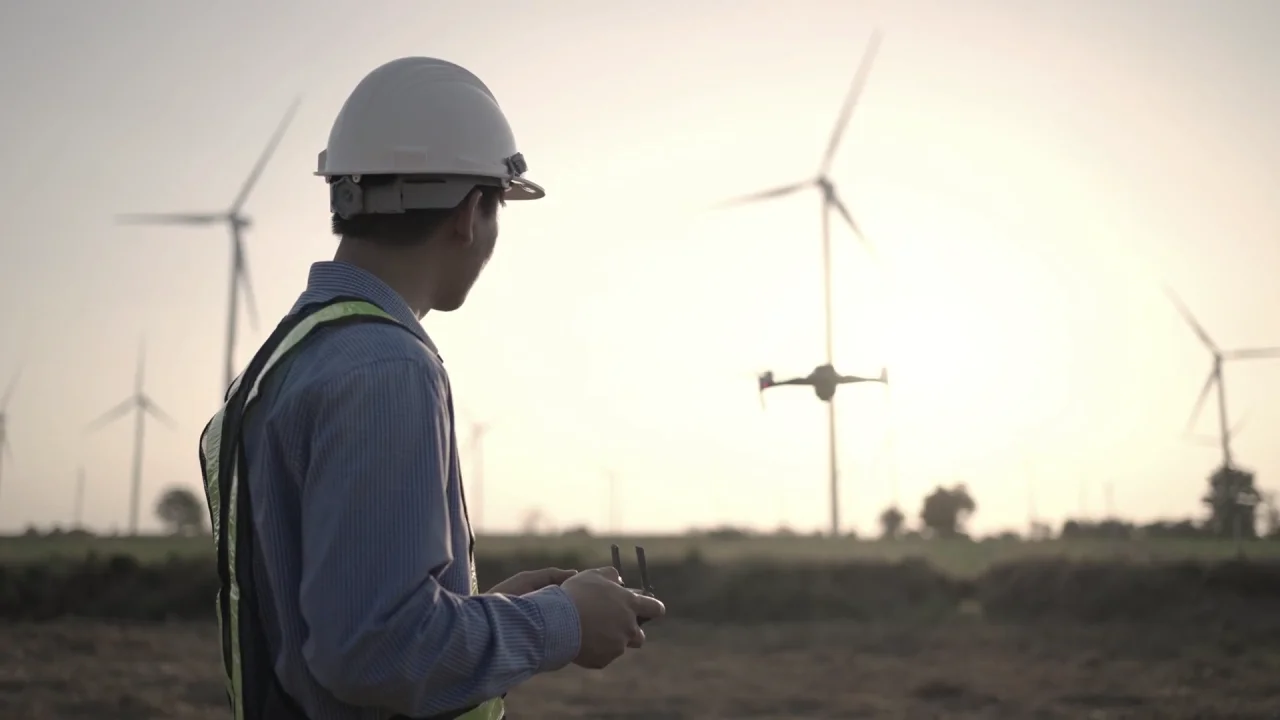


The challenge of achieving environmental compliance in global manufacturing is immense. Businesses operate within a complex web of differing national and regional laws, varying environmental standards, and ever-evolving sustainability expectations. This makes navigating this landscape a significant hurdle for even the most experienced companies. Understanding these complexities and implementing effective strategies is crucial for maintaining a strong reputation, avoiding costly penalties, and fostering a sustainable future.

Key Takeaways:
- Global environmental regulations vary widely, requiring a tailored approach for each manufacturing location.
- Proactive environmental management systems, such as ISO 14001, are essential for effective compliance and risk reduction.
- Engaging with stakeholders, including local communities and regulatory bodies, is vital for building trust and securing long-term operational stability.
- Innovative technologies and sustainable practices offer opportunities to reduce environmental impact and gain a competitive advantage.
Understanding International Environmental Laws and Standards
Global manufacturing operations must comply with a multitude of environmental laws and standards. These differ significantly between countries, encompassing aspects like air and water pollution control, waste management, hazardous materials handling, and emissions standards. For instance, regulations regarding greenhouse gas emissions can vary substantially, reflecting different national commitments to climate change mitigation. Staying informed about these variations is paramount, requiring dedicated resources for legal compliance and ongoing monitoring of regulatory updates. Failure to meet these diverse requirements can result in substantial fines, legal challenges, and reputational damage.
Implementing Effective Environmental Management Systems
Implementing a robust environmental management system (EMS) is critical for any global manufacturer striving for compliance. ISO 14001 provides a widely recognized framework for establishing, implementing, maintaining, and improving an EMS. This international standard helps organizations to systematically identify, manage, and minimize their environmental impacts. Key elements include conducting environmental assessments, setting environmental targets and objectives, implementing and monitoring control measures, and ensuring continuous improvement. The use of an EMS not only aids in meeting legal requirements but also enhances operational efficiency and reduces waste, leading to cost savings.
The Role of Technology and Sustainable Practices in Achieving Compliance
Technological advancements are playing an increasingly important role in facilitating environmental compliance in global manufacturing. Innovative technologies, such as real-time monitoring systems for emissions and waste management solutions, help companies to track and control their environmental impact more effectively. Furthermore, the adoption of cleaner production methods, renewable energy sources, and circular economy principles can significantly reduce a company’s environmental footprint. Investing in these technologies and practices is not only essential for compliance but also offers opportunities for enhancing competitiveness and building a more sustainable business model.
Community Engagement and Stakeholder Communication in Attic Conversions and Beyond
Effective communication and engagement with stakeholders are crucial for achieving long-term environmental compliance. This involves building relationships with local communities, regulatory authorities, and other interested parties. Transparency regarding environmental performance, proactive engagement on environmental concerns, and active participation in relevant initiatives can build trust and support. In the context of projects like Attic Conversions, which may involve renovations and alterations impacting local environmental regulations, open communication about planned activities and their environmental implications is particularly important. This collaboration ensures projects are completed in compliance with all relevant environmental regulations.